

 15 October 2025
How to Improve Soil Health for Better Crop Yield
Soil health is the cornerstone of successful farming. Healthy soil not only promotes strong, healthy crops but also ensures sustainable farming practices. At Krushik AgroTech, we understand the critical role that soil plays in agricultural productivity. In this post, we’ll explore some of the best practices to improve soil health for better crop yield, ensuring a bountiful harvest season after season. 🌱
1. Understand Your Soil
Before you can improve soil health, it’s essential to understand its current condition. Soil testing is the first step to evaluate its nutrient content, pH levels, organic matter, and texture. Testing your soil regularly (at least once a year) helps you make informed decisions about what amendments are necessary.
What to test for:
- pH level: Determines the acidity or alkalinity of the soil, influencing nutrient availability.
- Nutrient levels: Identifying deficiencies or excesses of nitrogen, phosphorus, potassium, and other essential minerals.
- Organic matter content: Organic matter improves water retention, promotes soil structure, and supports beneficial microorganisms.
2. Add Organic Matter
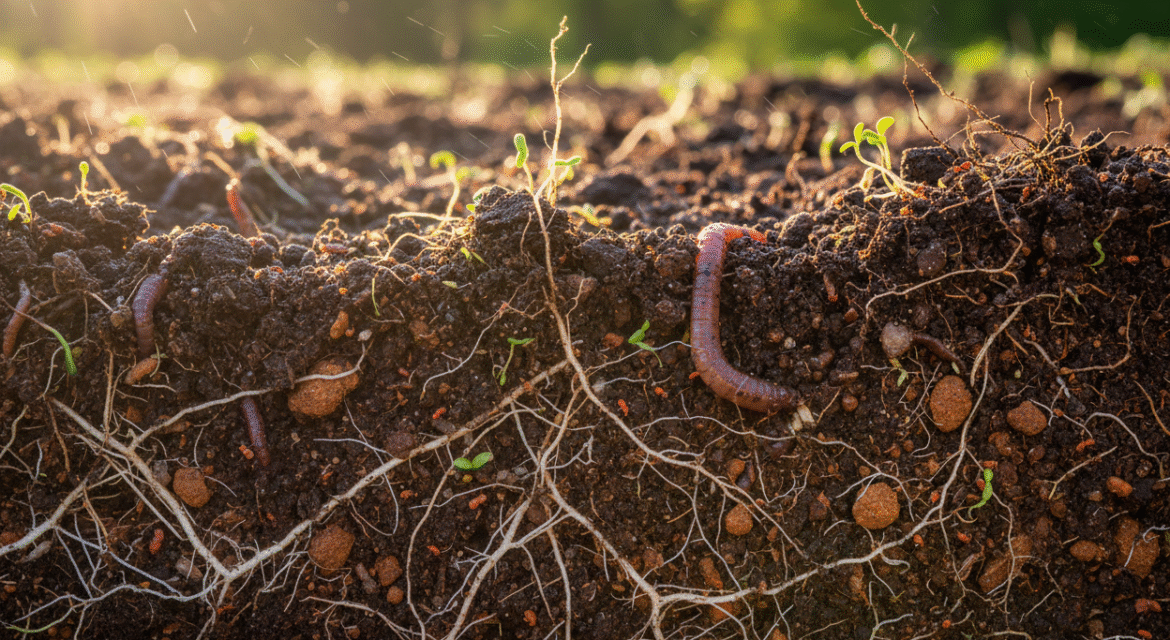
One of the best ways to improve soil health is by increasing its organic matter content. Organic matter, such as compost, manure, or cover crops, enriches the soil with nutrients and enhances its structure. It improves the soil’s ability to hold moisture, reduces erosion, and promotes beneficial microbial activity.
How to incorporate organic matter:
- Compost: A rich source of nutrients and beneficial microorganisms.
- Manure: Well-rotted manure provides a steady supply of nutrients over time.
- Cover crops: Planting crops like clover, vetch, or rye during the off-season can enrich the soil by fixing nitrogen and adding organic matter.
3. Practice Crop Rotation
Crop rotation is the practice of changing the type of crops grown in a particular field each season. This technique helps prevent soil depletion, reduces pest and disease build-up, and improves soil fertility.
Benefits of crop rotation:
- Reduced pest pressure: Different crops attract different pests, preventing pests from becoming a problem year after year.
- Improved nutrient cycling: Rotating crops with different nutrient requirements can help balance soil nutrient levels.
- Enhanced soil structure: Some crops, like deep-rooted plants, help break up compacted soil, improving its structure.
4. Use Organic and Green Manures
Organic manures, such as compost and green manures, are vital in replenishing the soil. Green manure crops, like legumes, can fix nitrogen in the soil, reducing the need for chemical fertilizers. These plants are tilled back into the soil before they reach maturity to decompose and provide valuable nutrients.
Popular green manure crops:
- Legumes like beans, peas, and clover fix nitrogen, enriching the soil naturally.
- Mustard and rye help suppress weeds and improve soil structure.
5. Implement Proper Irrigation Practices
Overwatering or underwatering can harm the soil and crop growth. Consistent moisture levels are crucial for maintaining healthy soil. Using efficient irrigation systems like drip irrigation helps avoid soil erosion and ensures that water reaches the roots evenly.
Best irrigation practices:
- Drip irrigation: Directly waters the root zone, reducing water wastage and minimizing soil erosion.
- Mulching: Helps retain soil moisture, suppresses weeds, and maintains a stable temperature in the soil.
6. Reduce Soil Compaction
Soil compaction occurs when soil particles are pressed together, reducing air spaces and making it difficult for roots to grow. Over time, compaction can limit water infiltration and root development.
To avoid soil compaction:
- Avoid working the soil when it’s too wet: Wet soil is more prone to compaction.
- Use minimal tillage: No-till or reduced tillage farming helps preserve soil structure.
- Incorporate organic matter: Helps improve soil structure and reduce compaction.
7. Use Cover Crops and Mulching
Cover crops, like legumes, grasses, and brassicas, not only enrich the soil but also protect it from erosion. Mulching with straw, grass clippings, or leaves helps maintain soil moisture, suppresses weeds, and adds organic matter to the soil as it decomposes.
Benefits of cover crops and mulching:
- Soil erosion control: Protects the soil from wind and water erosion.
- Weed suppression: Reduces the need for herbicides.
- Moisture retention: Helps keep the soil moist, especially during dry spells.
Conclusion:
Improving soil health is a long-term investment that pays off with higher crop yields, better-quality produce, and more sustainable farming practices. By regularly testing your soil, adding organic matter, practicing crop rotation, and implementing proper irrigation, you can create a fertile environment for your crops to thrive. 🌾🌱
At Krushik AgroTech, we are dedicated to helping farmers adopt best practices to improve soil health and achieve better yields. Start with these simple steps, and you’ll see the difference in your soil and crop production!